The Northeast Metro Atlanta real estate market is more than supply and demand. In 2026 and beyond, subtle local preferences and long-term trends are quietly steering which homes sell fast and which linger. Whether you are buying or selling, focusing on these hidden value drivers will help you make smarter choices that stand the test of changing markets and search engine queries alike.
The first value driver is functional convenience that tech listings highlight but many sellers overlook. Buyers now search for commute-time clarity, broadband speed, and flexible room layouts that support remote work. Homes that list accurate drive times to I-85, GA 400, and MARTA-connected corridors plus verified internet speeds get more qualified traffic and higher offer rates. If you are staging or preparing an MLS listing, emphasize workspace zones and show potential for easy upgrades.
School boundaries and program offerings remain a durable influence on price even when interest rates fluctuate. Families and investors both use school catchment information as a primary filter when searching for homes in Suwanee, Johns Creek, Alpharetta, Buford, Flowery Branch, and surrounding Northeast Metro Atlanta neighborhoods. Make school-data and nearby enrichment details prominent on listing pages and buyer guides to improve organic search performance.
Micro-amenities are the next hidden factor. Proximity to greenways, neighborhood parks, farmer markets, and local coffee shops has moved from a lifestyle nicety to a measurable price premium. In the Northeast Metro Atlanta market, walkable access to the Chattahoochee River corridors, trails, and suburban town centers often appears in search queries. Highlighting these features in property descriptions and neighborhood pages boosts visibility for buyers searching by lifestyle.
Energy efficiency and practical upgrades produce outsized returns here. Smart thermostats, efficient HVAC, upgraded windows, and recent roof work reduce buyer friction and appear frequently in search queries from cost-conscious buyers. Create listings and blog content with a clear list of recent systems improvements and utility cost averages to capture search traffic and build buyer confidence.
Timing matters differently at the neighborhood level. Macro seasonality is less important than localized demand cycles around new school enrollment deadlines, corporate relocations, and planned retail openings. Sellers who align their listing strategy with local enrollment calendars or company moves can capture higher offers. Buyers looking to negotiate should watch for neighborhoods with seasonal inventory spikes and target homes that have been priced to sell after peak demand.
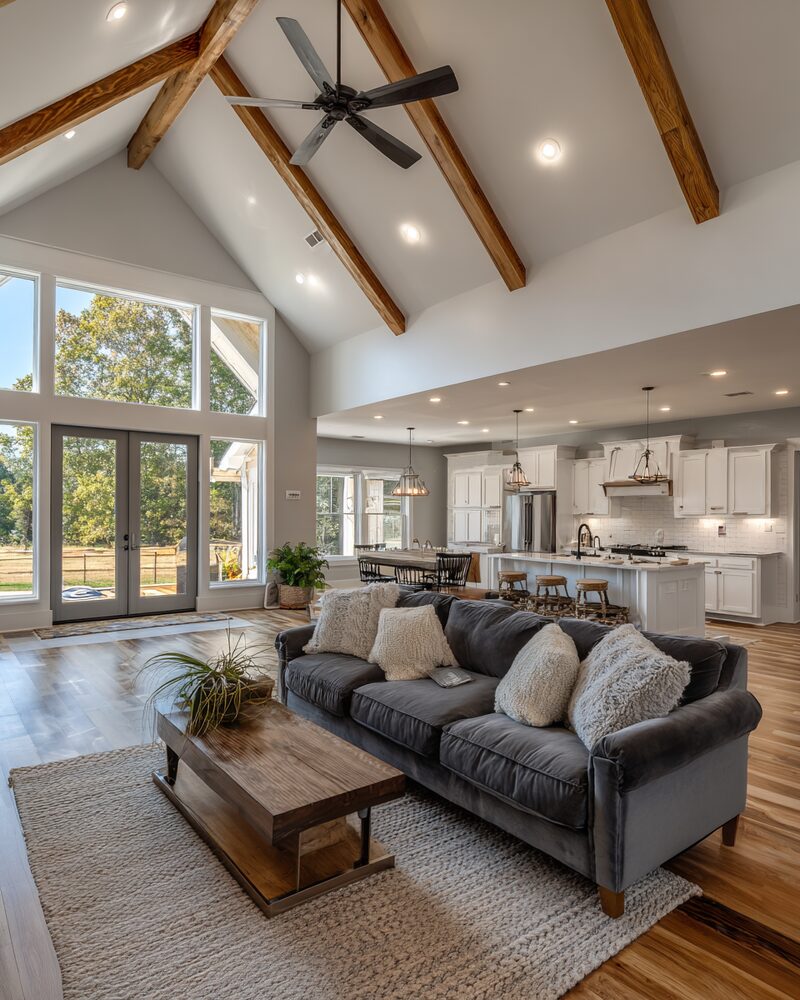
Presentation is still king but with a modern twist. Professional photos, accurate floor plans, and virtual tours remain essential for search visibility and buyer engagement. Add short neighborhood videos and captions that call out commute times to major employment centers, nearby schools, and amenity highlights. Search engines favor pages that answer specific local questions, so a listing that includes these details will rank higher for local queries.
Pricing strategy must be surgical. Comparative Market Analyses that aggregate recent sales, current active inventory, and days on market for similar properties in the same subdivision produce the best results. Overpricing reduces showings and search placement; underpricing can spark bidding wars that leave money on the table. Work with an agent who uses hyperlocal comps rather than broad zip code averages to set accurate pricing.
Negotiation leverage today often comes from transparency. Sellers who provide recent inspection reports, utility expenses, and a clear list of upgrades reduce buyer risk and shorten escrow timelines. Buyers who present pre-approval letters and flexible closing windows win more often in competitive Northeast Metro Atlanta neighborhoods. These documents not only speed transactions but also improve the quality of web listings and the likelihood of appearing in targeted searches.
Staging with purpose remains an investment that pays. Focus staging dollars on the rooms that buyers prioritize in this market: kitchens, primary suites, and outdoor living spaces. Use neutral palettes and remove personal items so photos and virtual tours appeal to a wider audience. Staged homes tend to spend fewer days on market and generate better click-through rates from search engine results.
If you are planning to buy or sell in Northeast Metro Atlanta and want tailored guidance, contact The Rains Team at 404-620-4571. For more local market insights, neighborhood breakdowns, and up-to-date listings, visit
www.rainsteamrealestate.com. We focus on the specifics that matter in this region and can help align your strategy with the current and emerging drivers of value.
Real estate decisions perform best when grounded in local facts and clear priorities. Concentrate on commute clarity, school boundaries, energy efficiency, and micro-amenities to improve outcomes whether you are buying or selling. Those elements will keep your listing competitive and your search results relevant for years to come.
