The Northeast Metro Atlanta housing market moves on more than national headlines. Local signals you can see from the street, city hall, and school calendar often predict where prices will rise or stabilize long before broader data catches up. Whether you are buying a home or preparing to sell, learning to read these signals is a practical edge that pays off in offers, timing, and price expectations.
Start with inventory patterns at the neighborhood level, not just county reports. A drop from 40 to 20 active listings in a single subdivision can create bidding pressure even if Forsyth County inventory looks stable. Watch for repeated price reductions in a micro-market; that tells you demand is cooling or that recent listings were overpriced. For buyers, this is where patience and local tours win. For sellers, this is a signal to price with precision and invest in presentation.
School zone changes and school performance trends are a long-term price driver in our area. New attendance boundaries, the opening of a highly rated elementary, or improving test scores in a nearby district can lift demand for specific streets. If you are buying, confirm the current zoning and any planned changes. If you are selling, highlight local school strengths in your marketing materials and property description.
Infrastructure projects matter. Road improvements, new transit connections, or commercial development announcements around Alpharetta, Johns Creek, Suwanee, or Flowery Branch change commuting calculus and desirability. Projects that cut commute times or add mixed-use centers can shift buyer priorities from backyard size to proximity to retail and transit. Track county planning meetings and sign-up lists for updates; these are early warnings of where demand will grow.
New construction inventory and builder incentives affect resale values. When builders offer aggressive incentives in a specific ZIP code, comparable resale homes may need to adjust pricing to compete. For sellers holding older inventory, targeted updates with the highest ROI in this market — fresh paint, updated kitchen surfaces, and modernized bathrooms — help keep your listing competitive versus brand-new homes.
Buyers should watch mortgage rate swings and local price per square foot trends simultaneously. A small rise in rates may cool the market overall, but hyper-desirable pockets with constrained supply and good schools often remain resilient. Ask your agent for rolling 30, 60, and 90-day comparable analyses in your target neighborhood so you see short-term momentum as well as longer-term direction.
Micro-features that matter here include lot orientation, mature tree cover, and access to natural assets like Lake Lanier. In many Northeast Metro Atlanta suburbs, a well-shaded yard and proximity to greenways can deliver tangible price premiums. Conversely, properties in lower-lying areas should be checked for floodplain history and insurance costs before pricing or bidding, as those factors materially affect buyer interest.
HOA rules and fees are a make-or-break detail. An HOA that allows short-term rentals or has planned capital projects can influence buyer pools and appraisal outcomes. Sellers should provide up-to-date HOA documents early in the listing process to remove friction and avoid last-minute surprises that can derail a sale.
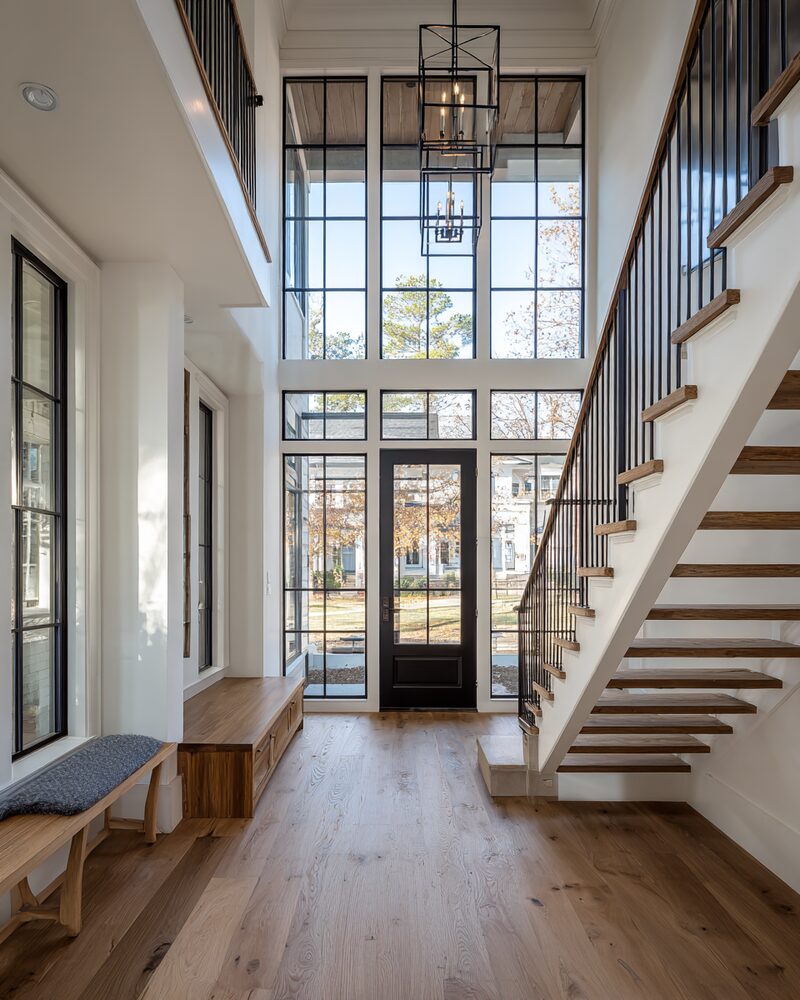
Staging and photography continue to be high-impact, low-cost sellers tools. Homes photographed for natural light and shown as usable living spaces consistently attract more offers. For sellers considering which improvements to undertake, focus on neutral, well-lit spaces and a decluttered exterior that maximizes curb appeal. For buyers, visualize spaces with light staging tips so you can evaluate a property's potential without overpaying for cosmetic fixes.
For investors and second-home buyers, rentability and seasonal demand patterns matter. Rental markets in parts of Northeast Metro Atlanta see peaks driven by corporate relocations and school cycles. If rental income matters to you, examine local long-term vacancy rates, average rents, and short-term rental regulations in each city.
How to use these signals in practice:
- Track 3 to 5 active comps in your target neighborhood and update your view every two weeks.
- Sign up for county planning and school board agendas to catch zoning and boundary changes.
- Check builder incentive pages and new construction availability by ZIP code.
- Request a neighborhood-based days-on-market and price-per-square-foot trend report from
